Get your tickets for Evergreen's Summer 50/50! Every ticket supports kids camps at Evergreen Brick Works. Current total jackpot: $6,100+
Enter todayPublished on July 20, 2026 by Ethan Rotberg, Senior Communications Specialist | Evergreen
Dr. Melissa Lem recognized the connection between nature and health from an early age. Her relationship with nature began with childhood experiences exploring neighbourhood parks and continued to grow through time spent in the mountains, by the ocean and even at Evergreen Brick Works. Today, the family physician is dedicated to helping people experience the health benefits of nature.
Lem is the co-founder of PaRx, Canada’s national nature prescription program, an initiative of BC Parks Foundation. Through the program, more than 20,000 regulated health professionals across Canada are now prescribing time in nature, with over two million nature prescriptions issued to date.
“More people in Canada are now connected to nature and experiencing better health,” says Lem. “They’re also caring more about the planet and conservation—there’s research showing that when you’re more connected to nature, you’re more likely to protect it.”
We spoke with Lem to learn more about her inspirations, her journey to nature prescribing, and the impact of the program.

What role did nature play in your life growing up?
Nature played a foundational part in my life when I was growing up. One of the reasons was because I didn’t quite feel like I was accepted in my community. My parents immigrated to Canada from China in the 1950s and raised us in a majority white neighbourhood in the suburbs of Toronto. There weren’t many people who looked like us there, which sometimes led to bullying on the school grounds and even people calling out racial slurs on the sidewalk.
Where I found my sense of belonging and solace was in nature, whether it was a backyard garden, the park down the street or camping trips under starlit skies far away from the lights of the city. I want every child to be able to have that same sense of belonging in their community, and nature is an incredibly important part of that.
How did your own connection to nature shape your understanding of its health benefits?
Even before I was aware of the research behind the health benefits of nature, I was already using it to self-medicate. During medical school and my residency in Victoria, B.C., I would often instinctively head outside for a walk or hike when I was feeling stressed. Just getting that dose of forests or mountains was beneficial for my mental health.
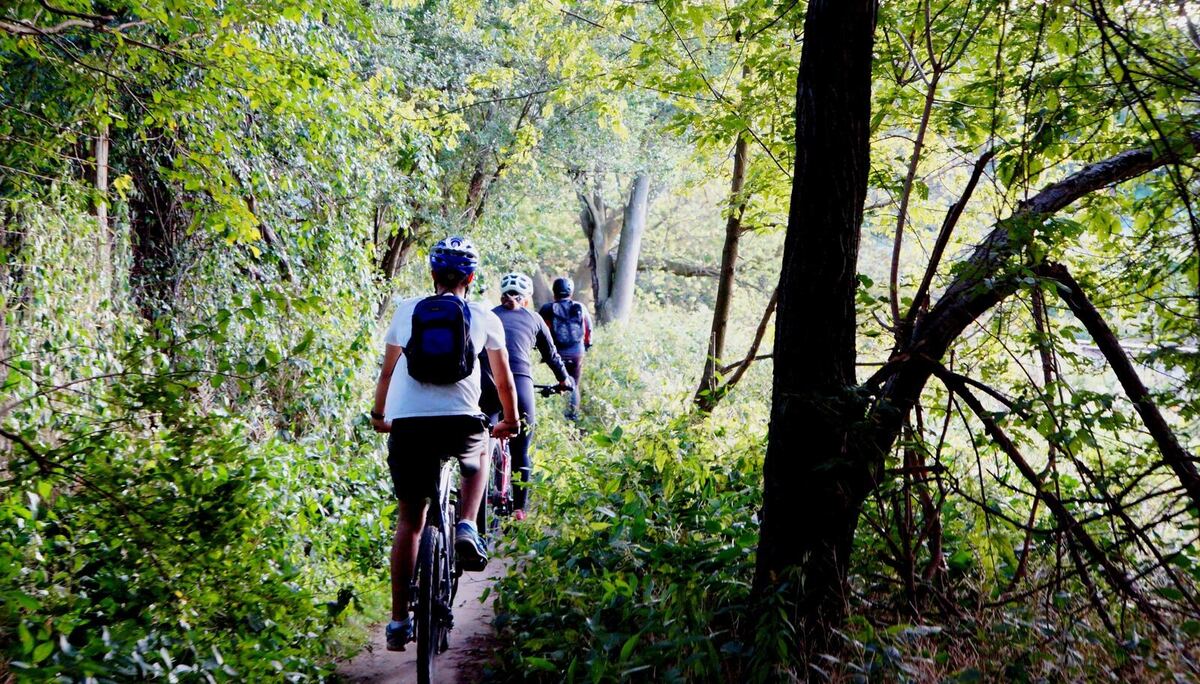
My first job as a family doctor was in the forests and mountains of northern BC. After I moved back to Toronto, in the warmer months we would ride our bikes or walk the ravine trails to the Brick Works. Even though I was in the middle of an urban environment, I could hear red-winged blackbirds sing above waterways and ponds. As someone who was a new convert to this intersection between nature and health, I thought, Evergreen is doing it all right here—creating spaces where the community can connect with nature and experience its health benefits.
How did you begin bringing the healing benefits of nature into your professional career?
One day I felt like I was really missing my nature time, so I sat down at my computer and decided to do a lit review—something we evidence-based health professionals often do when we want to make sure something isn’t just intuitive but grounded in science. Hundreds of peer-reviewed studies appeared on my laptop screen describing the connections between nature and health, and I thought, wow, I did not learn about this in medical school! I immediately made it my mission to ensure my colleagues knew, and decision-makers knew,about these incredible health benefits of nature.
I thought, how do I get the story out? And the very first way I started publicly advocating for connecting to nature for health was as a blogger for Evergreen in 2011. Because there weren’t many doctors advocating in this space, people started to notice and I began to get invites from other organizations to do more writing and speak at conferences.
Evergreen was a huge inspiration for me as an example of an organization doing it right. It showed me that there were already people doing this work in really thoughtful and effective ways.
I moved back to British Columbia at the end of 2015. I was a new mother of a one-year-old and just starting to get back into practice. There, I connected with BC Parks Foundation—they were looking to launch a national nature prescribing program, and I was looking to do the same. I became the director of PaRx, and we launched the program in November 2020.
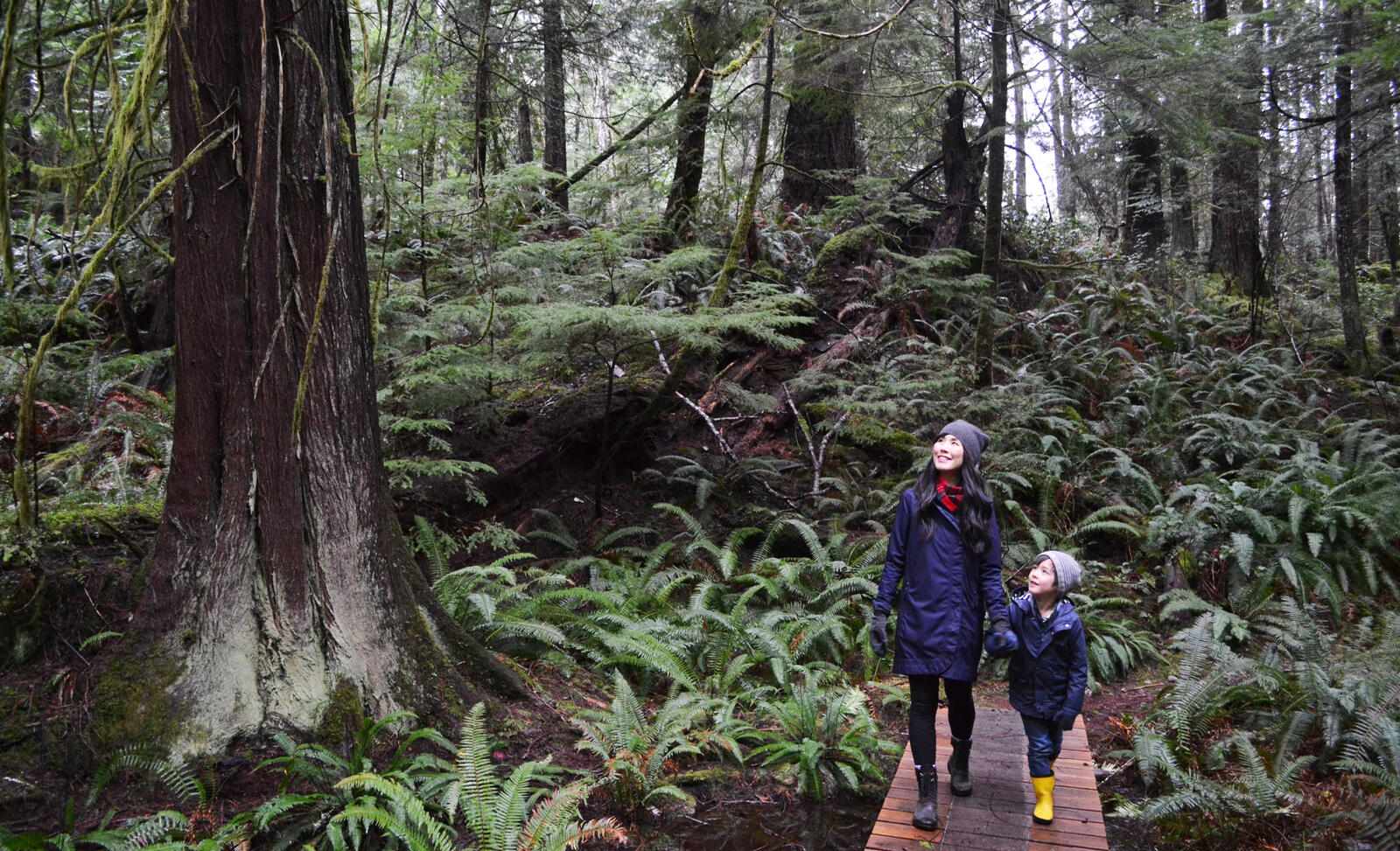
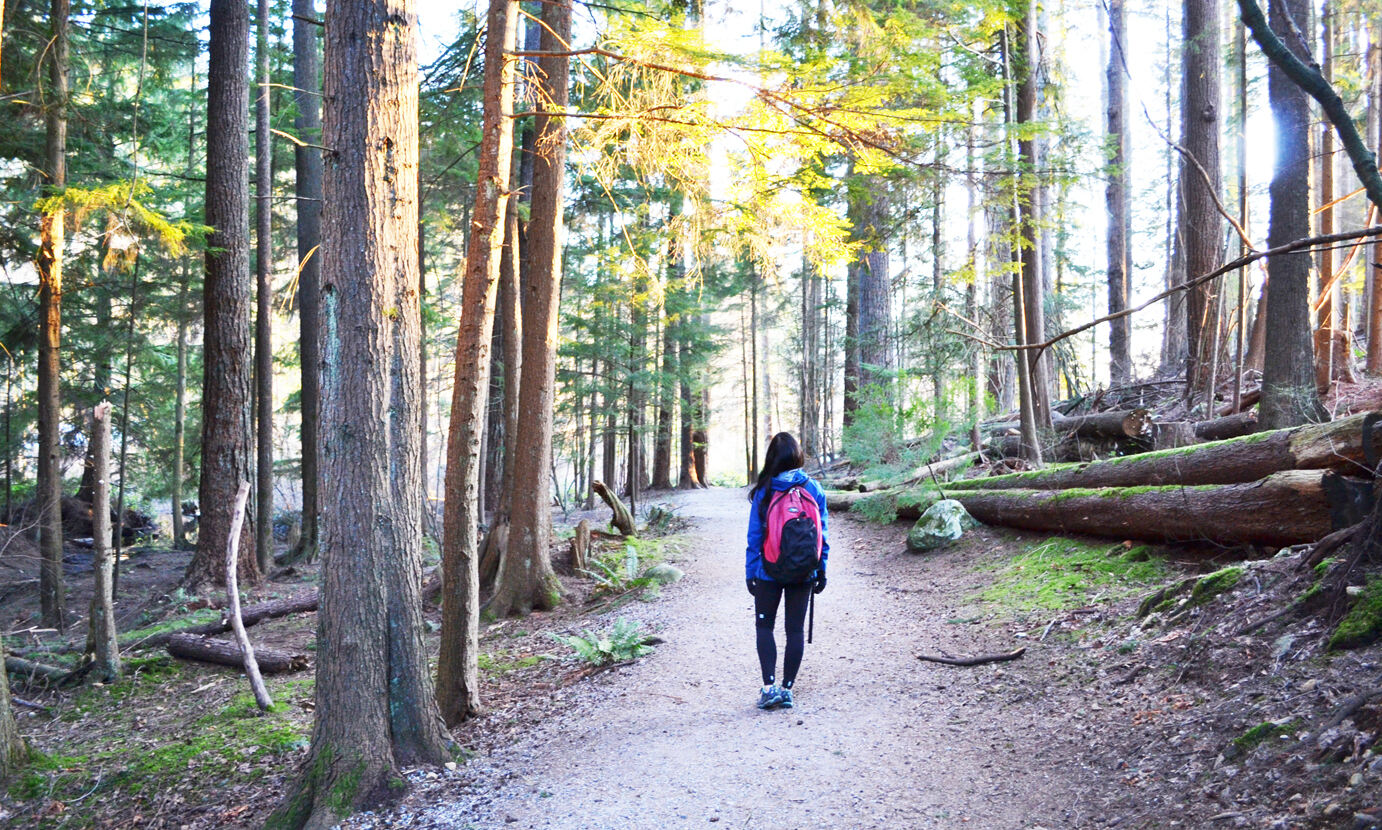
Since then, PaRx has launched in every province. It involves healthcare professionals identifying when a patient could benefit from a nature prescription and working with them to create a plan for incorporating more time in nature into their everyday lives. Most prescriptions are for mental health reasons, like depression, anxiety, stress or ADHD, and can be as simple as taking a greener route to school or work while you’re aiming to spend at least two hours in nature each week, at least twenty minutes each time.
What kind of impact do you think the program is having?
I’ve heard and read an avalanche of positive stories from prescribers and from patients themselves. Sometimes I get really emotional when I hear what a difference nature prescriptions have made in their lives, from improving their mobility, to better mental health, to them saying things like it’s a ‘joyful prescription.’
I still remember the very first patient I prescribed nature to through the program. She was experiencing anxiety and depression, and feeling quite isolated after immigrating from Europe. When we talked about how she used to manage her mood symptoms, she said, ‘when I went for hikes, when I went to parks, I did feel a lot better.’
So I wrote her an official nature prescription and prescribed an antidepressant. When I followed up a month later, she was shocked at the progress she’d made. She’d never expected to feel that much better in such a short time, and she really attributed it to the combination of medication and spending more time outside. She felt more connected to her community and herself, was more productive at work and her mood was way better.
From your perspective, how is Canada doing when it comes to connecting nature and health?
Canada is internationally recognized as a leader in this space and the Brick Works is a part of that. These are the spaces where people actually connect to nature for health and wellbeing.
I’ve spoken with colleagues in Europe and Asia who are trying to get similar programs going and are facing a lot of barriers. In South Korea, for example, the infrastructure exists—they established dozens of healing forests where people could go to experience the benefits of nature—but health professionals don’t prescribe them.
To make the health benefits of nature accessible for everyone, it’s essential to create partnerships between health professionals and organizations creating and stewarding green spaces like Evergreen. It’s really important to bring them together to maximize our potential for impact.
Learn more
Want to help protect and grow the green spaces that our communities rely on? From new connected trails to greener school grounds, see how you can support some of our exciting new projects.