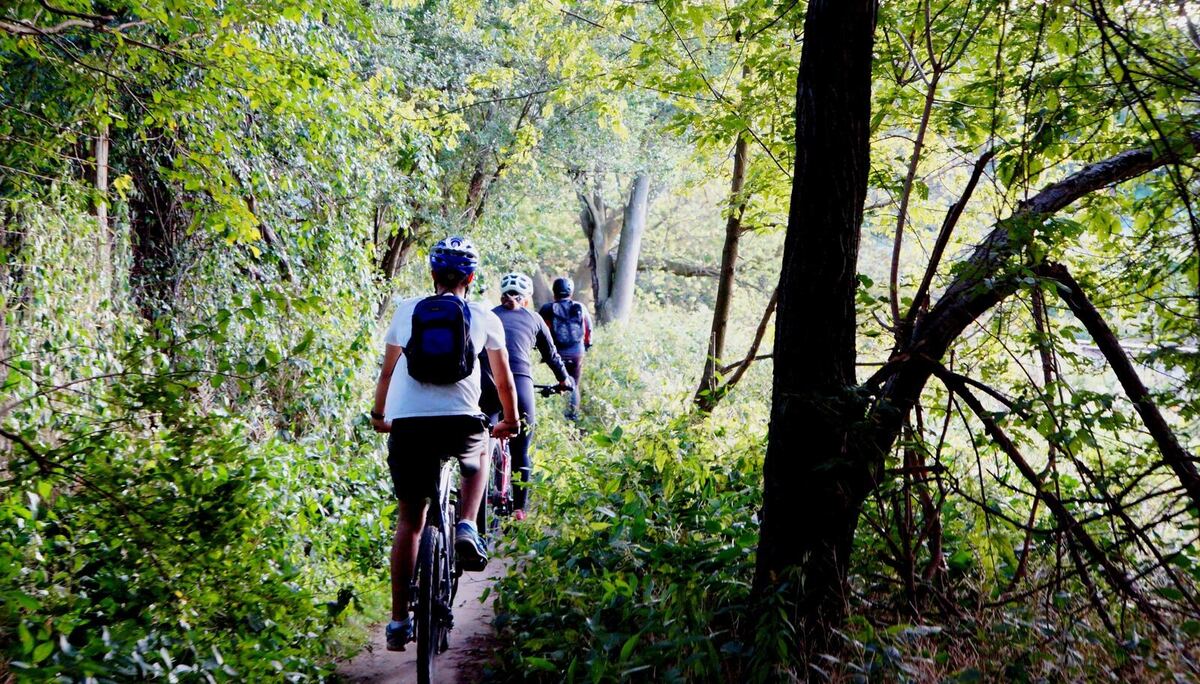
If you think of your favourite public spaces (as I often do), you might imagine a shady park in the summer, a ravine trail during autumn or an outdoor skating rink on a winter day.
But what about places like libraries, community centres and museums—spaces that aren’t fully open and unmanaged but still play a critical part in public life?
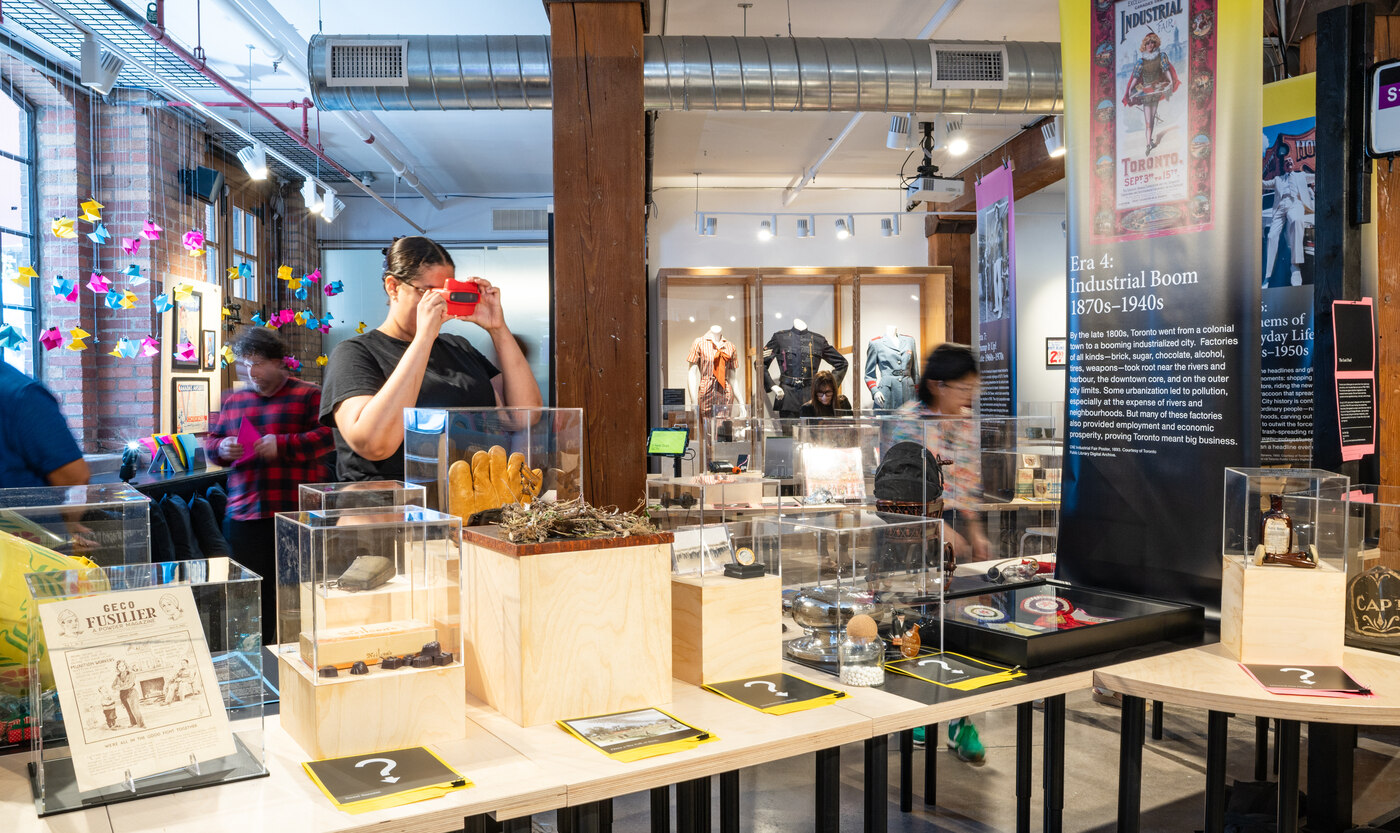
“Museums are sometimes seen as custodians of objects; that their priorities are the conservation of these things they hold in storage. But I see museums as very much trusted public spaces where people encounter these objects,” says Heidi Reitmaier, CEO of Museum of Toronto, a city museum that explores the many histories of Toronto through exhibitions, public programs and digital storytelling.
Reitmaier, a speaker at the recent Evergreen Conference, says the majority of people who go to museums, go as a social experience.
“They go to have an experience together, to learn together. They’re like parks and other areas we call third spaces, where there are connections built across generations and across communities.”
Beyond the social aspect, the best public spaces also foster a sense of care and responsibility for one’s community, helping to build civic trust over time.
“When we encounter differences in a museum—different perspectives, different aesthetics, different histories—we’re not just learning a new thing; we’re practicing how to live with each other. I think whether you’re in a park or on the sidewalk, public spaces are where we might need to sit with something we don’t understand. It allows us to build tolerance for not understanding.”
At Museum of Toronto, Reitmaier says they’re very invested in participatory elements, which is part of what makes museums function as public space—places where people contribute and engage together.
“There are always ways in which our communities and the people visiting are making the exhibitions with us,” she says. “It’s a really integral part of what we do, and I think more and more museums are doing that.
What museums should I visit in Canada?
It’s impossible to capture all the incredible museums across the country. But we do have a few favourites. After Museum of Toronto, check out these other museums that serve as gathering places, storytellers and reflections of the communities around them.
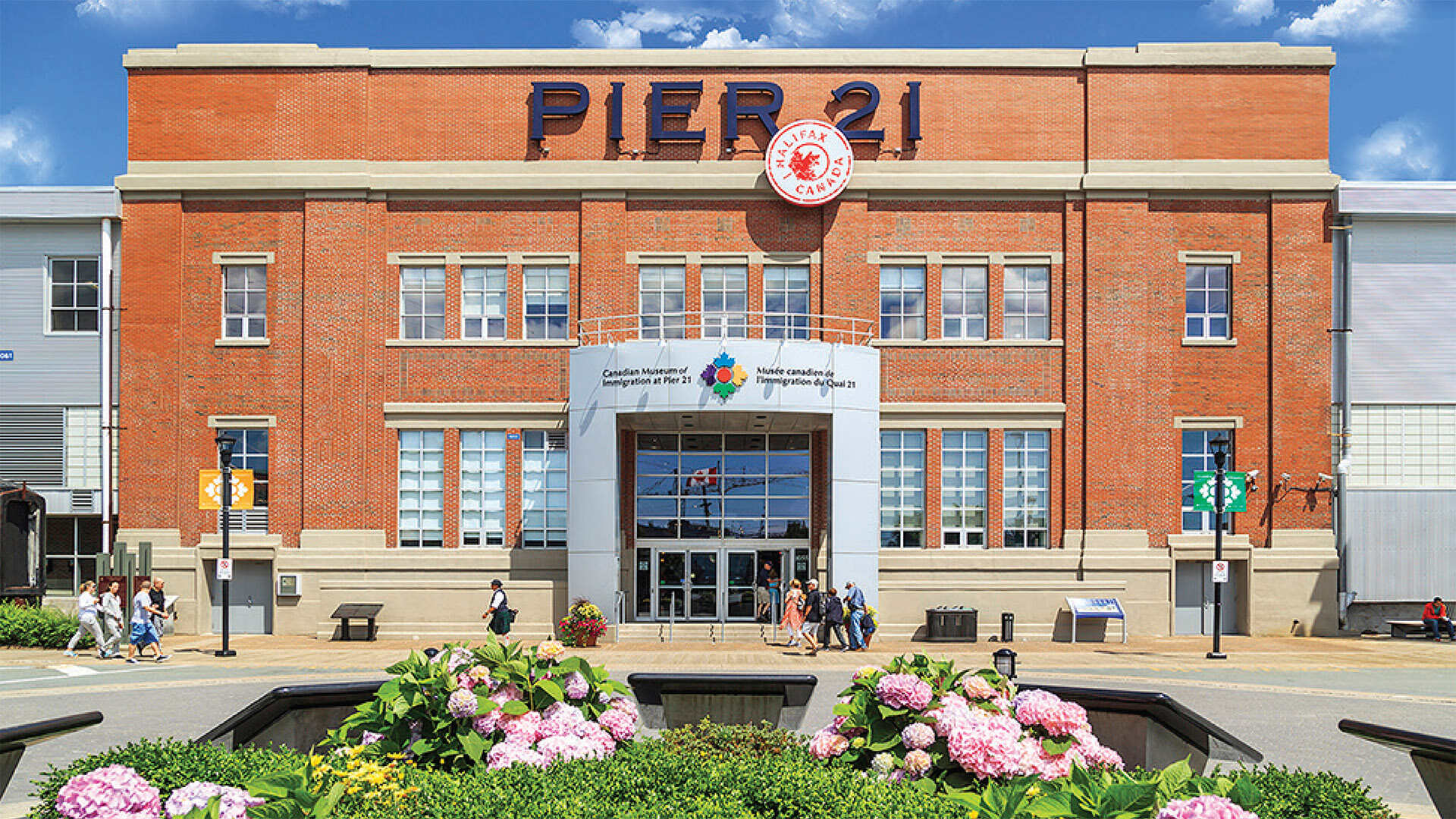
Photo credit: novascotia.com
Pier 21 (Halifax, Nova Scotia)
Reitmaier calls the Canadian Museum of Immigration at Pier 21 a “stellar example of a museum acting as a public space.” Canada’s last remaining immigration shed is often compared to Ellis Island, operating from 1928 to 1971, serving as the gateway for nearly one million immigrants, refugees and war brides. As a public space, its exhibitions share first-person accounts, oral histories, archival artifacts and immersive experiences.
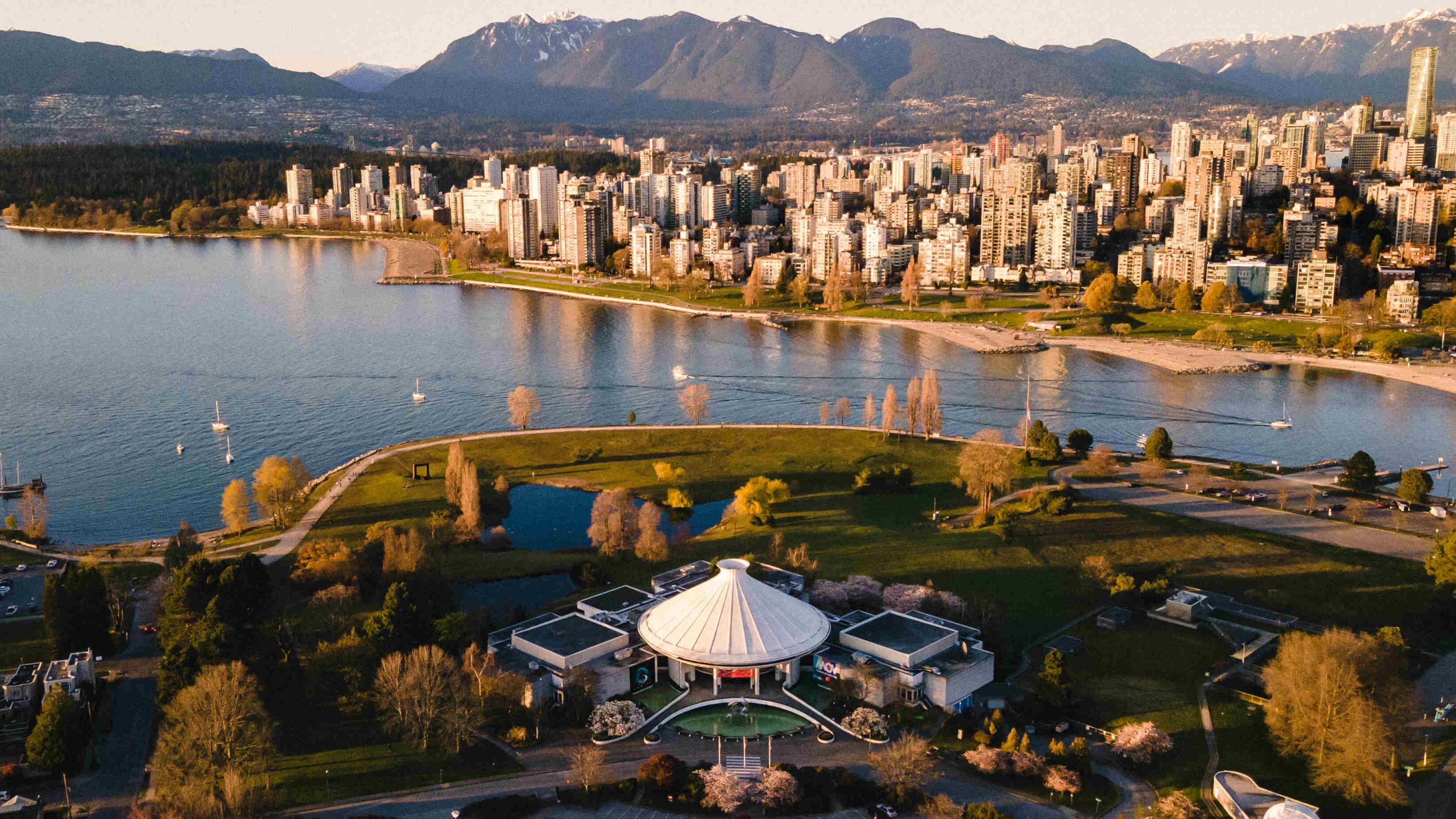
Photo credit: Museum of Vancouver
Museum of Vancouver (Vancouver, British Columbia)
A civic museum focused entirely on Vancouver’s evolving identity, Museum of Vancouver features programs, exhibitions and collections from Indigenous histories to contemporary urban life. It works as a public space by framing the city itself as shared terrain—inviting visitors to reflect on housing, migration and culture.
Current exhibitions include The Suitcase Project, in which photographer Kayla Isomura asked more than 80 fourth and fifth generation Japanese Canadians and Americans ‘What would you pack if you were forcibly removed from your home today?’
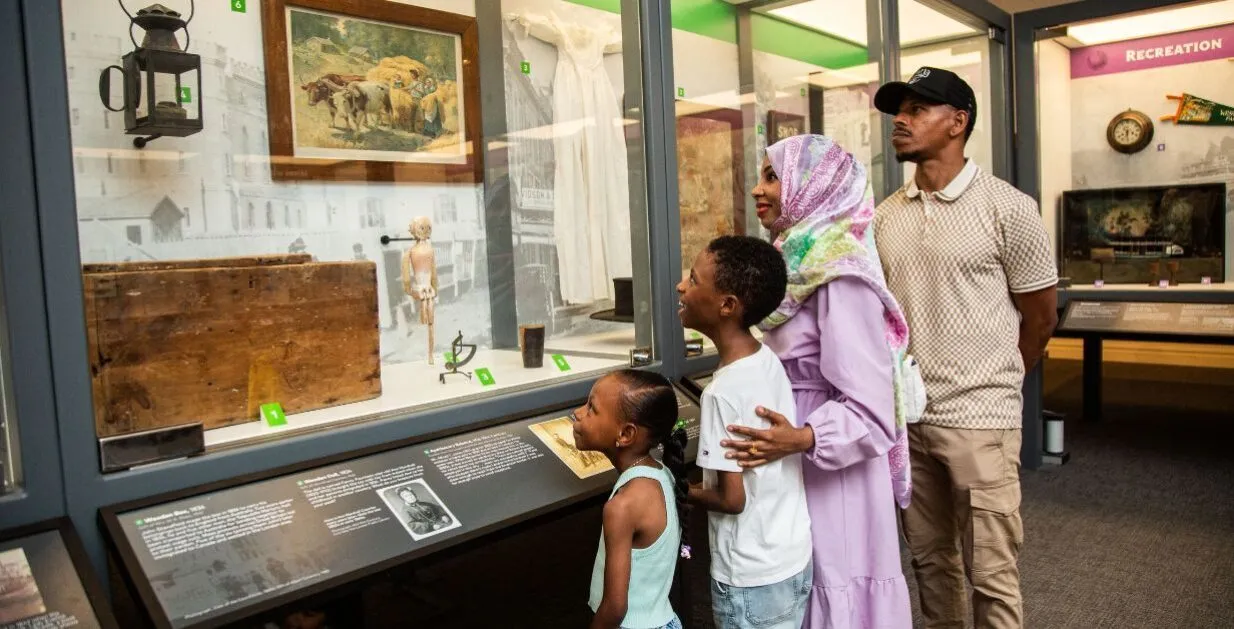
Photo credit: Museum London
Museum London (London, Ontario)
Reitmaier applauds Museum London, saying they’re working deeply with the community to tell their story. A community-based museum, the space touts itself as a vibrant cultural hub where art, history and contemporary ideas come to life. London: A History, presents a glimpse of the community and how it has evolved over time, featuring over 300 historical artifacts, images and stories
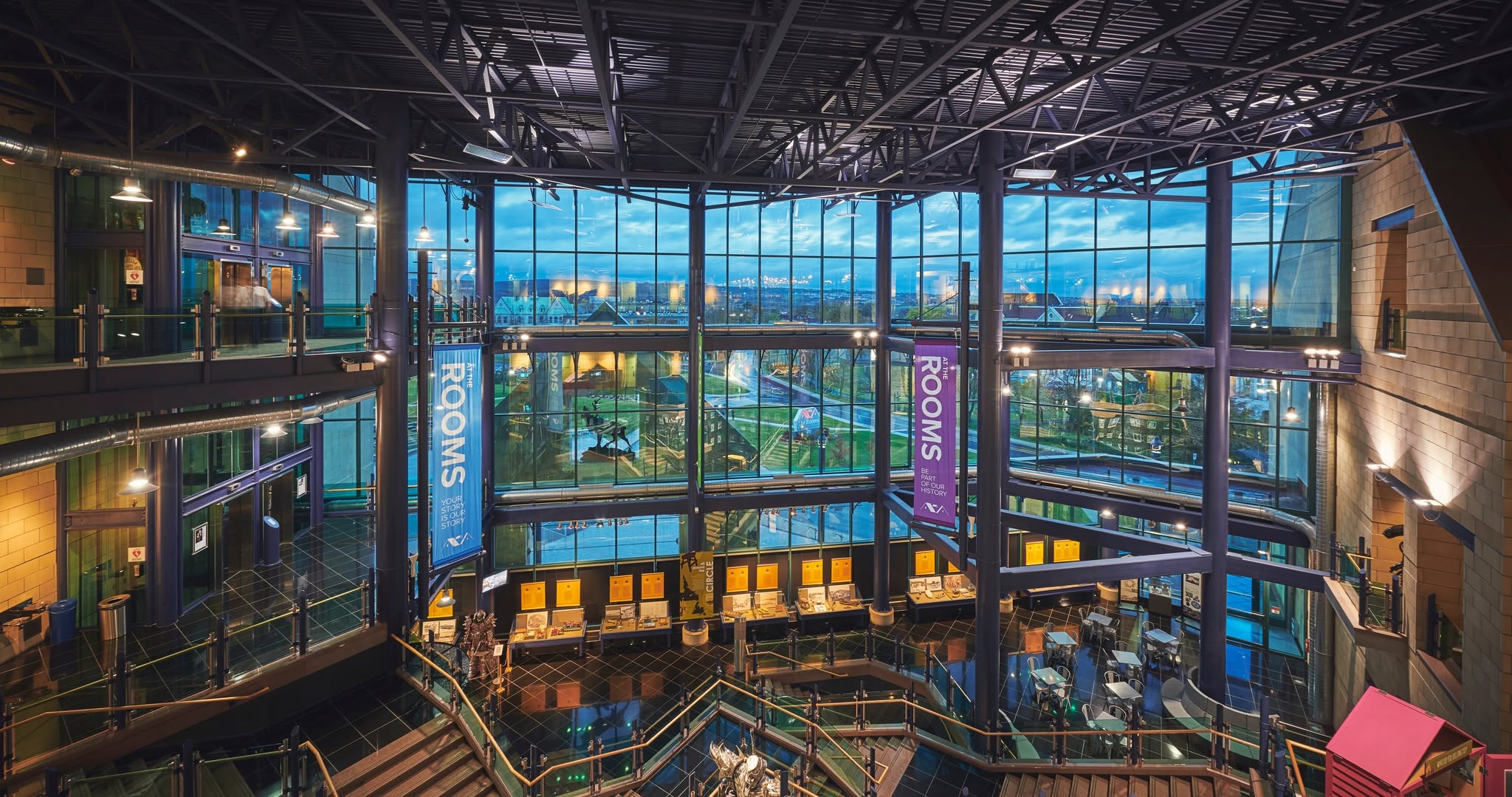
Photo credit: The Rooms
The Rooms (St. John’s, Newfoundland)
Priding itself on being a public space, The Rooms say they’re a gathering place for stories, creativity, and shared experiences. Looming above the St. John’s skyline on the site of an 18th-century fort, The Rooms fuses the provincial archives, art gallery and museum into Newfoundland’s largest public cultural space. The building’s design, inspired by traditional fishing rooms, is a nod to the province’s identity
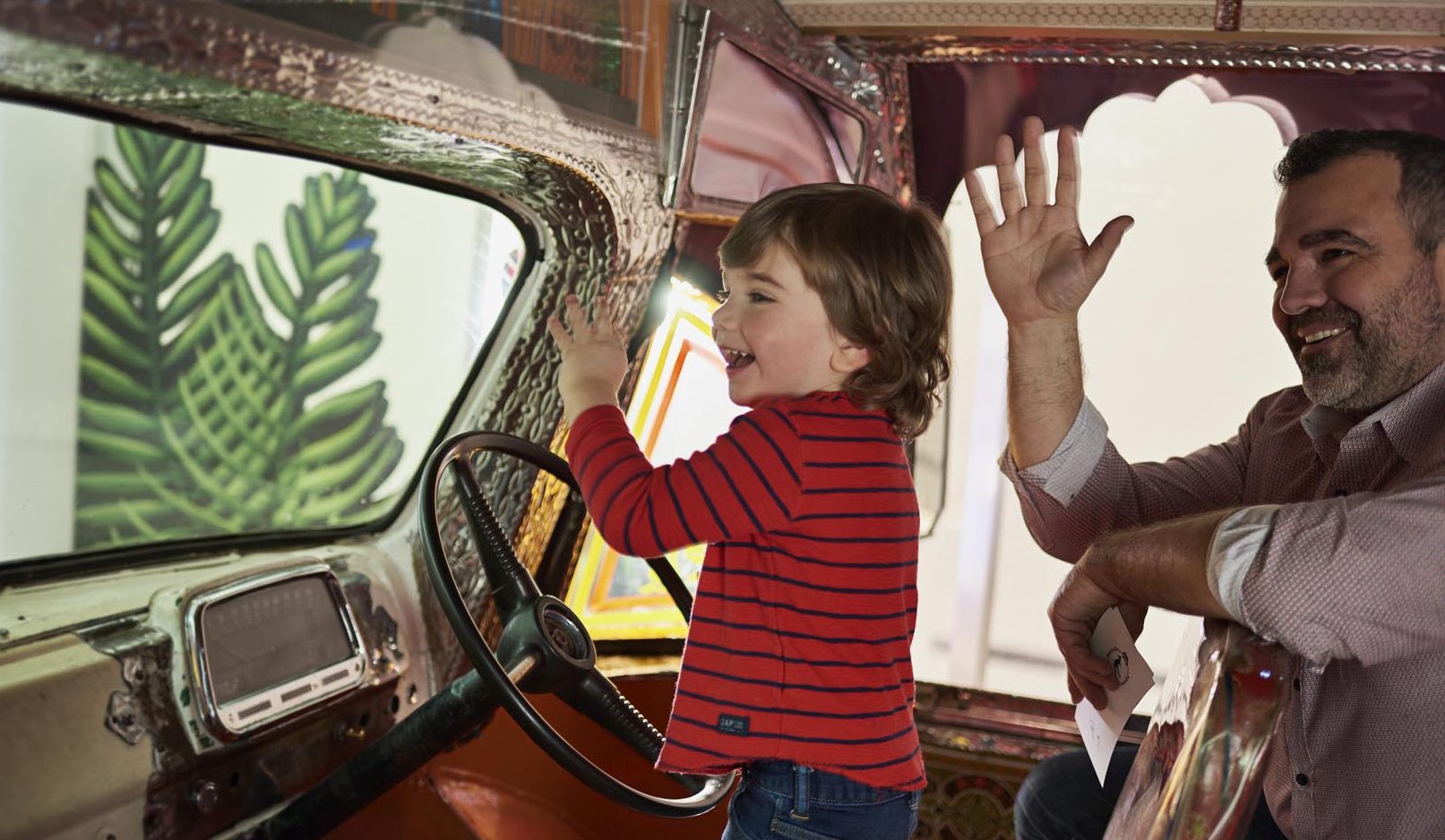
Photo credit: Canadian Museum of History
Canadian Children’s Museum (Gatineau, Quebec,)
Part of the Canadian Museum of History in Gatineau near Ottawa, the Canadian Children’s Museum is a hands-on, experiential space designed around how children learn through play and cultural exploration. Kids can see hieroglyphs inside an Egyptian pyramid, climb aboard a Pakistani bus decorated with colourful suitcases, step inside a Japanese house and more.
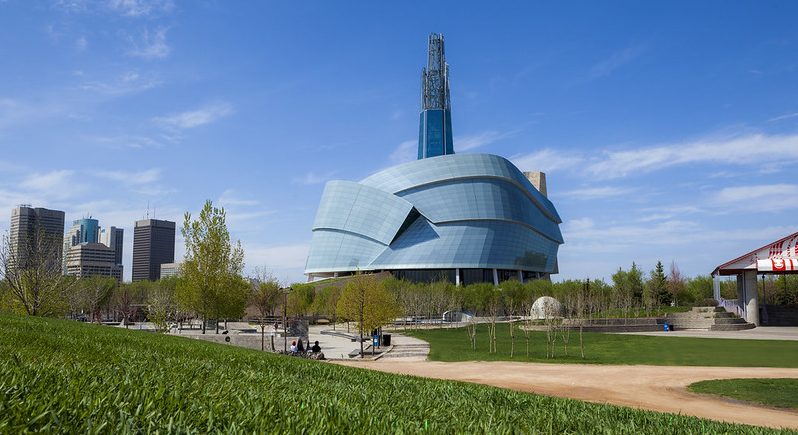
Photo credit: Canadian Museum for Human Rights
Canadian Museum for Human Rights (Winnipeg, Manitoba)
Located at The Forks, a site that has been an Indigenous gathering place for over 6,000 years, the Canadian Museum for Human Rights explores stories of rights, dignity and social change from Canada and around the world. Through immersive exhibitions, it becomes a place for civic engagement and public dialogue.
Current exhibitions include Love in a Dangerous Time: Canada’s LGBT Purge, examining one of the longest‐running, largest‐scale violations of human rights in the workplace in Canadian history.